Craftsmanship meets high-tech: Shaping transformation together in the SME sector
WEISS Chemie + Technik, the Giessen Regional Council and EUROPE DIRECT Giessen are bringing together businesses and institutions to discuss innovation, competitiveness and future prospects.
Haiger, 22. October 2026. How can SMEs shape their future and remain competitive, even under difficult economic conditions? This question was the focus of the event "Craftsmanship Meets High-Tech – Transformation in the SME sector", held on 21 October at WEISS Chemie + Technik in Haiger. Together with the Giessen Regional Council and EUROPE DIRECT Giessen, the company had set up an event to talk about technological developments, entrepreneurial changes and the importance of reliable framework conditions.
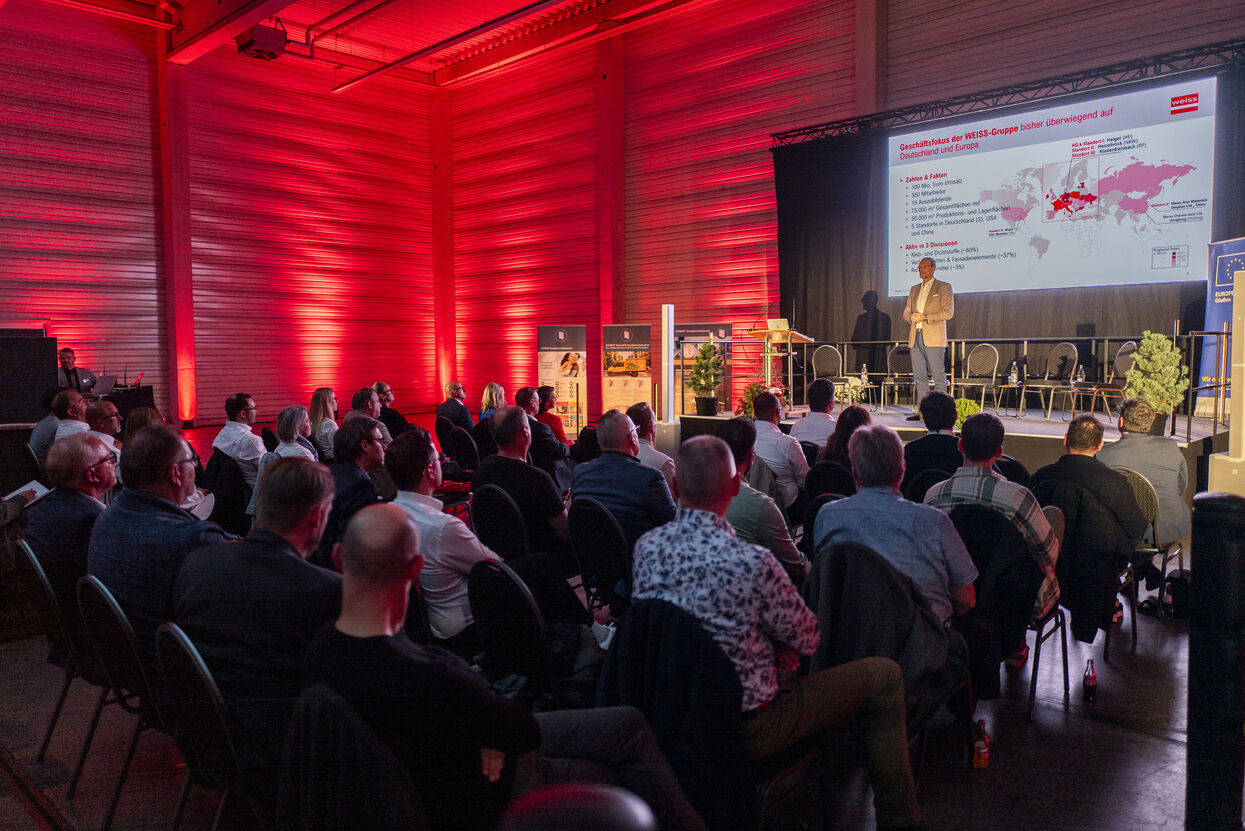
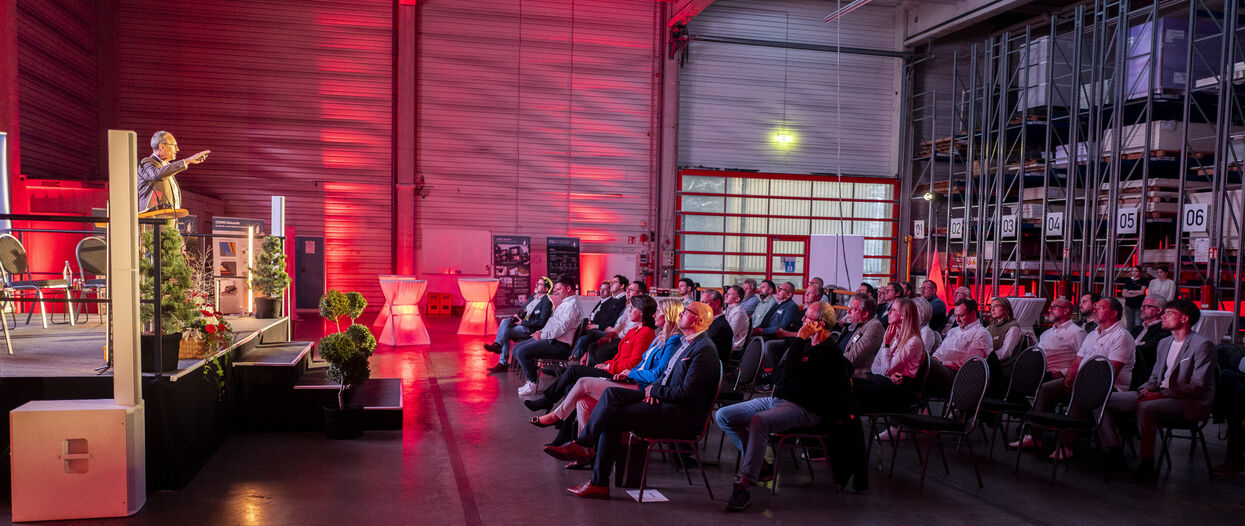
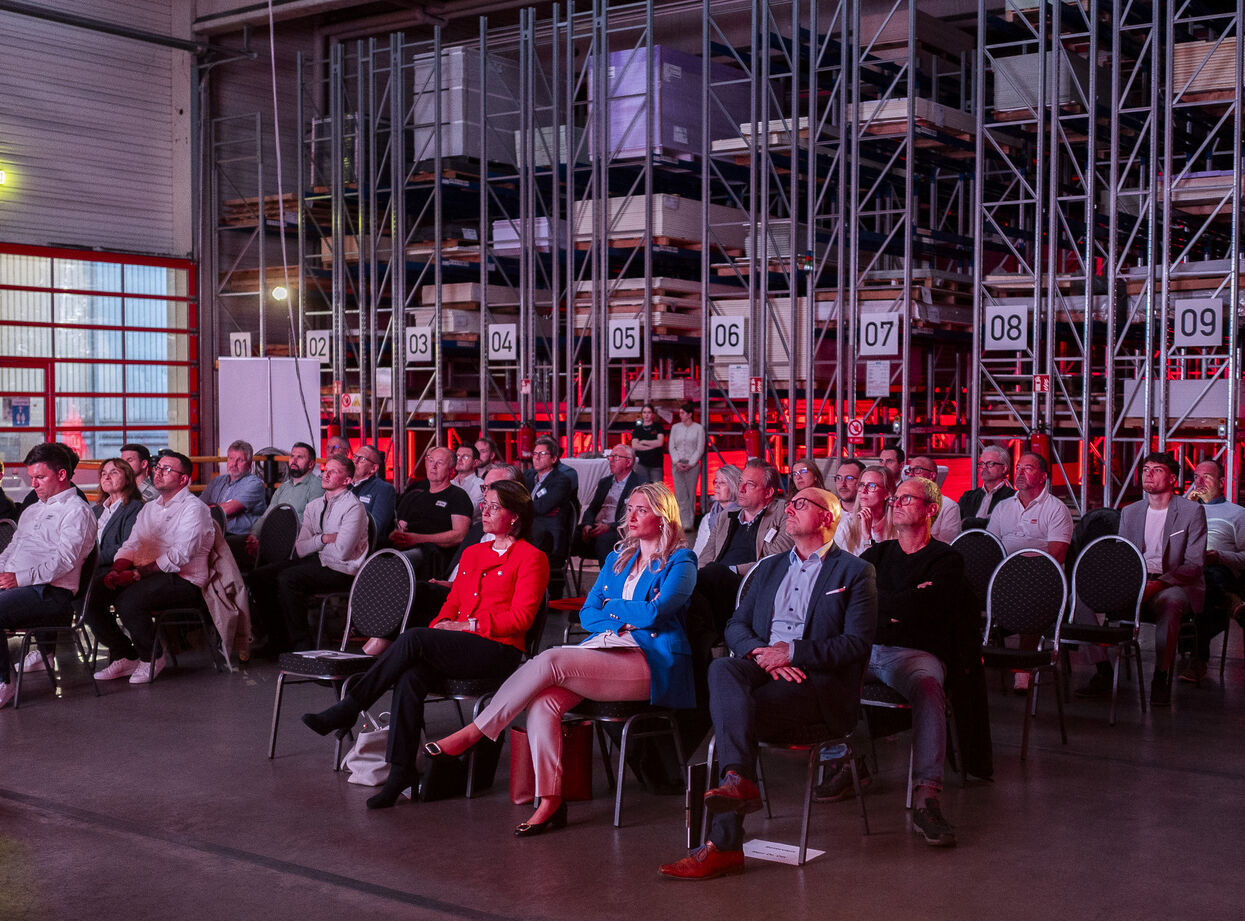
The venue added a direct link to real-world practice to the topic: Right at the centre of the plant, between machines and production facilities, it was all about how change succeeds in everyday business life. Digitisation, artificial intelligence and automation all open up new possibilities. However, clear goals, viable investment decisions and employees who help shape change are needed for this to yield economic benefits.
211 years of company history as a driver for innovation
At WEISS, willingness to change has been part of the company's development for 211 years. Combining proven knowledge with new technologies and market requirements is still a central entrepreneurial task today. Despite international crises and economic uncertainties, the company relies on inventiveness, willingness to invest and the courage to break new ground.
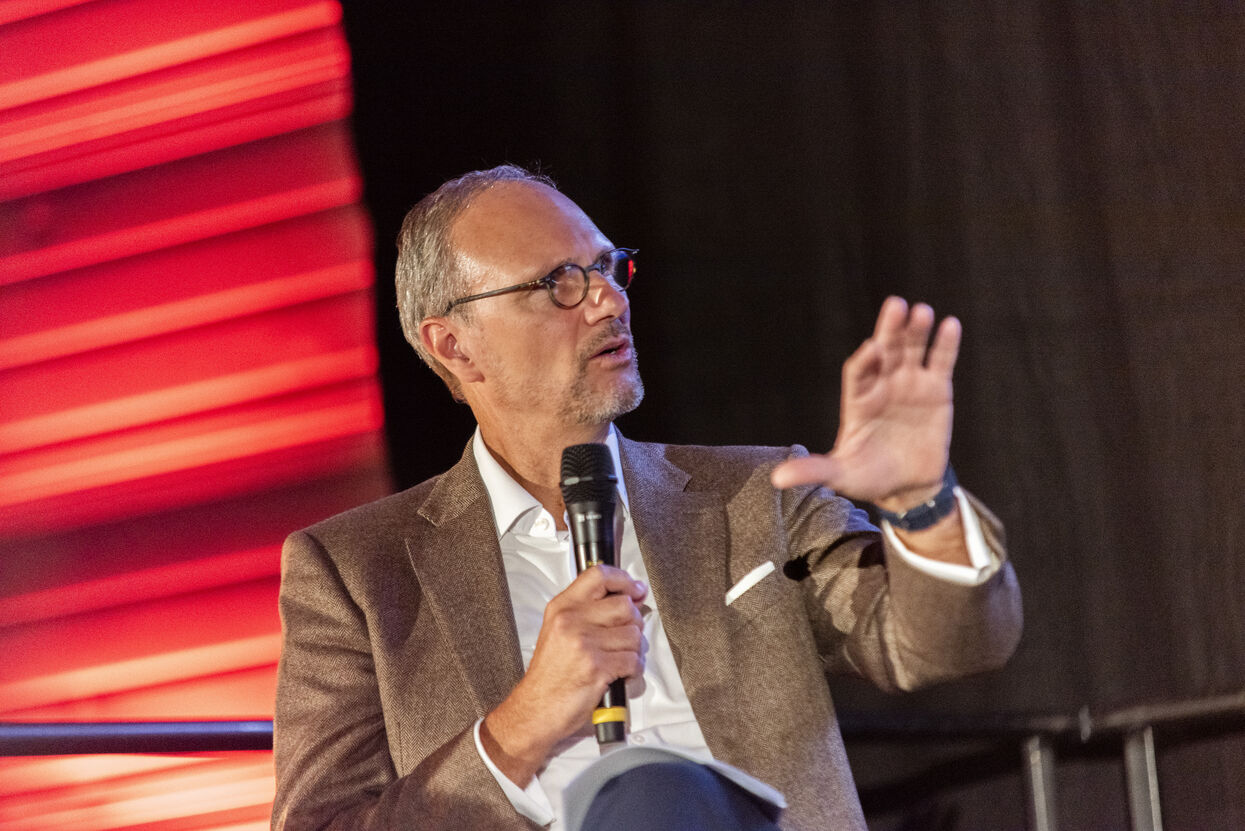
"We have to get started now," emphasised Christian Dölle, CEO of WEISS. His message: The future viability of the SME sector arises from concrete decisions and the willingness to actively tackle change.
From technological possibilities to operational implementation
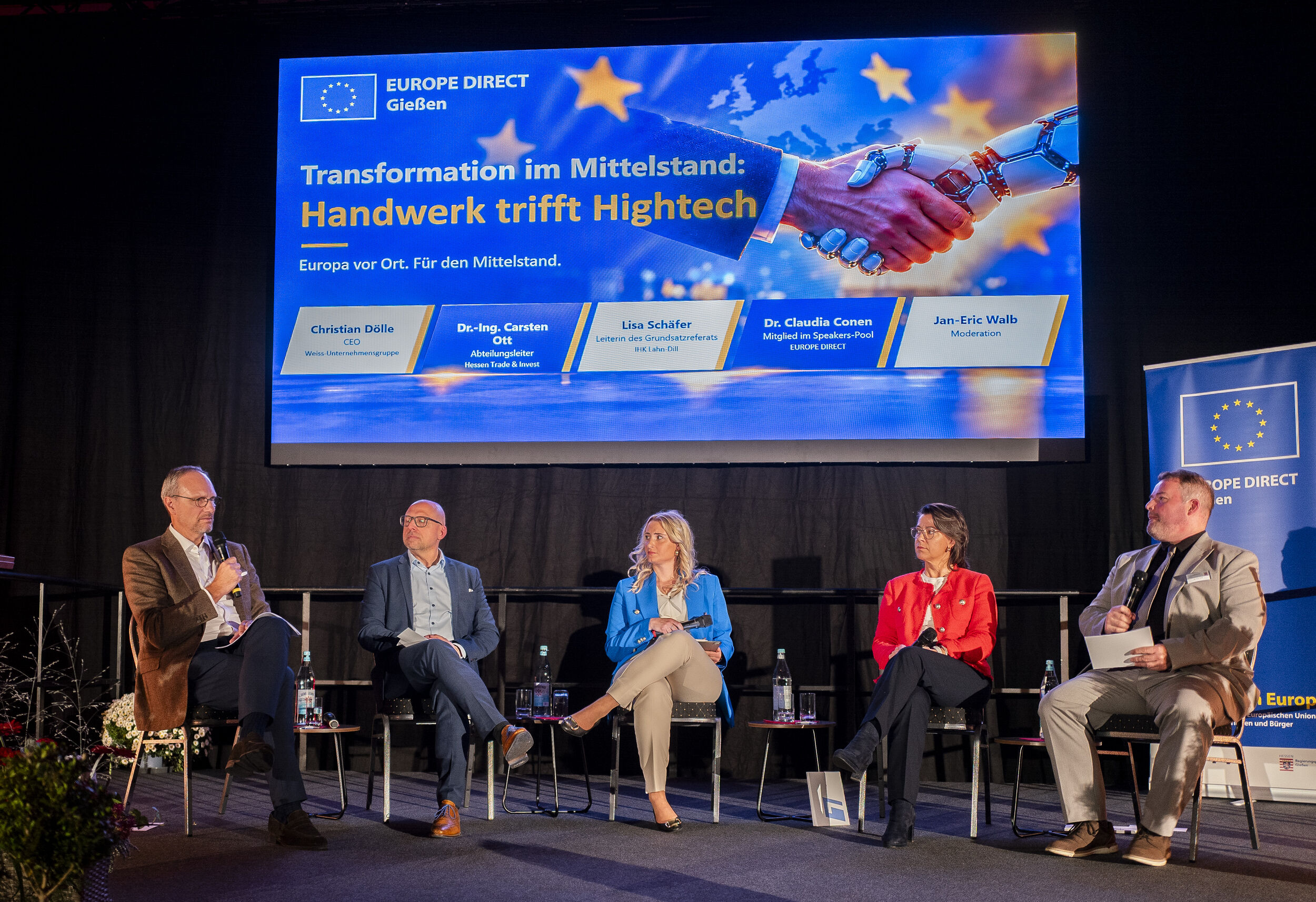
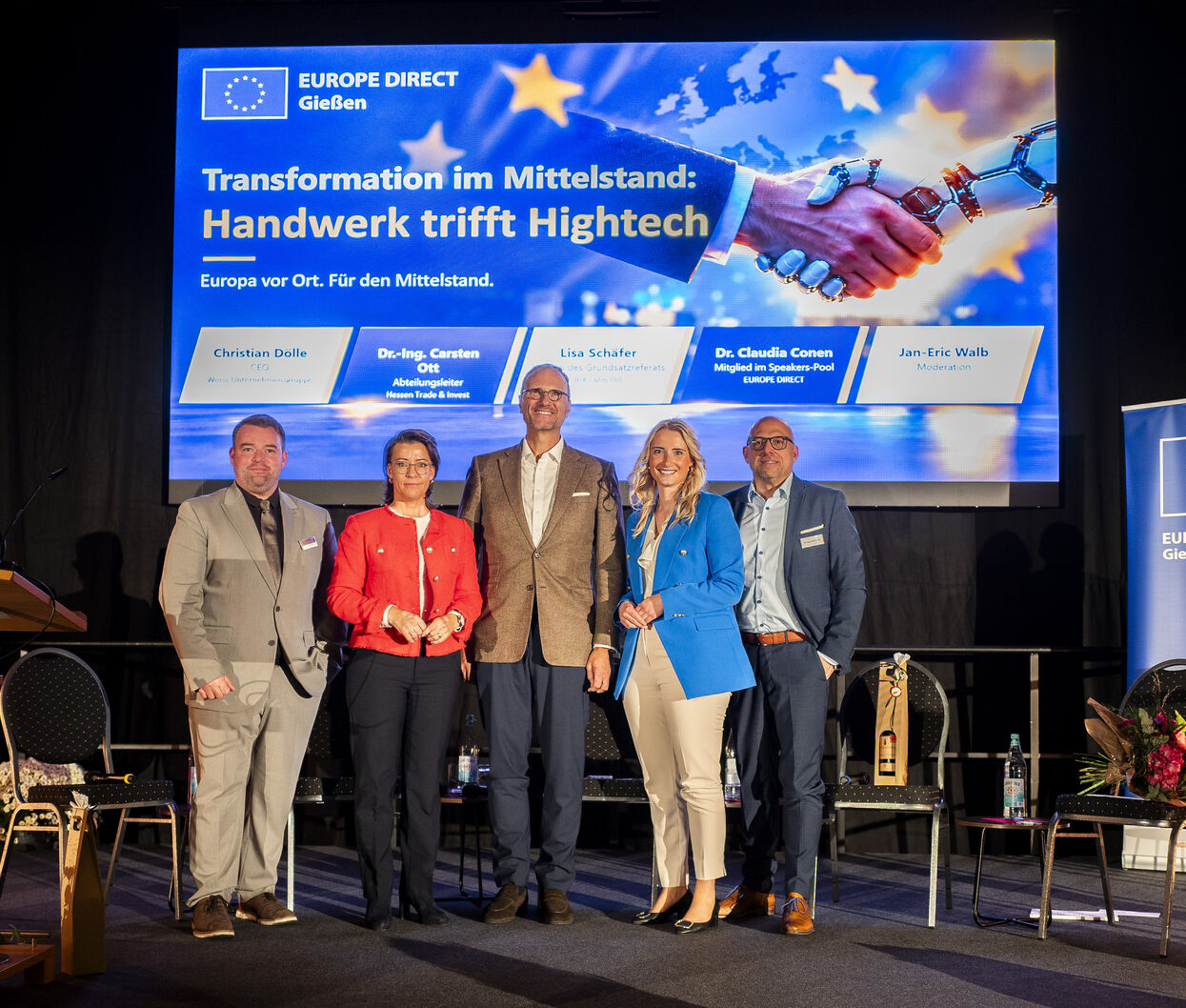
During the panel discussion, Christian Dölle, Dr. Claudia Conen, Dr.-Ing. Carsten Ott and Lisa Schäfer looked at the transformation from different perspectives. The challenges of SMEs as well as the opportunities offered by digitisation, artificial intelligence and Industry 4.0 were at the heart of the discussion.
There was a particular focus on the path from a technological idea to economically viable application: In which areas do new technologies already offer measurable added value? How can businesses select suitable projects and evaluate investments? And how can employees be involved at an early stage so that new processes are successfully implemented in everyday work?
The question around finding a suitable start also played an important role. Especially given the limited human and financial resources, it is important to set priorities and tackle projects in manageable steps. Partnerships with universities, research institutions and technology providers as well as regional consultancy and networking services can support this.
Competitiveness needs resilience and reliable partners
Another important focus was the resilience of the SME sector. At the same time, the demand for skilled workers, energy prices, bureaucratic requirements and investment costs present many companies with challenging tasks. What is more, there are international competitive conditions and supply chain risks. The discussion focused on how companies can strengthen their ability to act and at the same time work economically. This includes the testing and further development of supply chains, as well as the targeted use of digital information to identify risks earlier and make more informed decisions. Transformation also requires close interaction between business, science, politics and administration. From the city of Haiger via the Lahn-Dill district and the state of Hesse to the Federal Republic of Germany and the European Union, framework conditions for entrepreneurial development are being designed at different levels. Partners such as Hessen Trade & Invest and the IHK Lahn-Dill also offer important access to advice, networking and innovation promotion.
European perspectives and concrete next steps
The European dimension was another red thread throughout the event. The focus was on the importance of an innovative and competitive SME sector for Europe and the question of what framework conditions companies need for their further development. After the panel discussion, Dr. Claudia Conen presented European funding opportunities and starting points for companies looking to launch their own projects.
As such, the event offered room for a discussion around fundamental questions about the future and concrete operational considerations. For WEISS, this exchange builds on its own company history: Their 211 years of experience are a strong foundation for taking on new developments and shaping the next steps with confidence.
WEISS thanks the Giessen Regional Council and EUROPE DIRECT Giessen for the joint organisation as well as all contributors and guests for their contributions and open exchange.

 Deutsch
 English
 Française
 Русский
 Italiano
 Polski
 Español
 Português
 English (US)
 中文